

CASINO GAME DEVELOPMENT COMPANY I WHITE LABEL CASINO SOFTWARE DEVELOPMENT COMPANY
Launch an advanced online casino with best casino game development software built for operators, startups, and enterprise gaming businesses. Our white label and custom casino platforms support slots, live dealer games, poker, roulette, blackjack, payment gateways, player wallets, and global gaming operations. Whether you're targeting regional or international markets, our scalable casino solutions help you launch quickly and grow confidently.
Years Experience
Projects Delivered
Client Retention
Get A Free Consultation
WHY CHOOSE WEBODOCTOR ?
Trusted Casino Software Development Company
We build secure, scalable, and fully customizable casino platforms designed for modern iGaming businesses.
White Label Casino Software
Custom Casino Development
Live Casino Integration
Player Wallet
Multi Currency Support
Multi-Language Platform
Bonus
24×7 Support
CASINO SOFTWARE DEVELOPMENT SERVICES
White Label Casino Software
Launch your online casino within weeks using our ready-to-deploy casino platform featuring hundreds of games, payment systems, player management, and promotional tools.
Custom Casino Platform Development
Build a fully customized casino platform tailored to your brand identity , gaming directory , business model and customer engagement strategy.
Live Casino Software Development
Integrate premium live dealer games with HD streaming, real-time gameplay, multilingual support, and seamless player experiences.
Casino API Integration
Integrate leading gaming APIs including:
Mobile Casino App Development
DEVELOP A HIGH-END ONLINE CASINO PLATFORM WITH WEBODOCTOR
Instant Game Launch
Wallet Management
Secure Transactions
Push Notifications
Loyalty Rewards
Live Dealer Games
CASINO GAMES WE DEVELOP
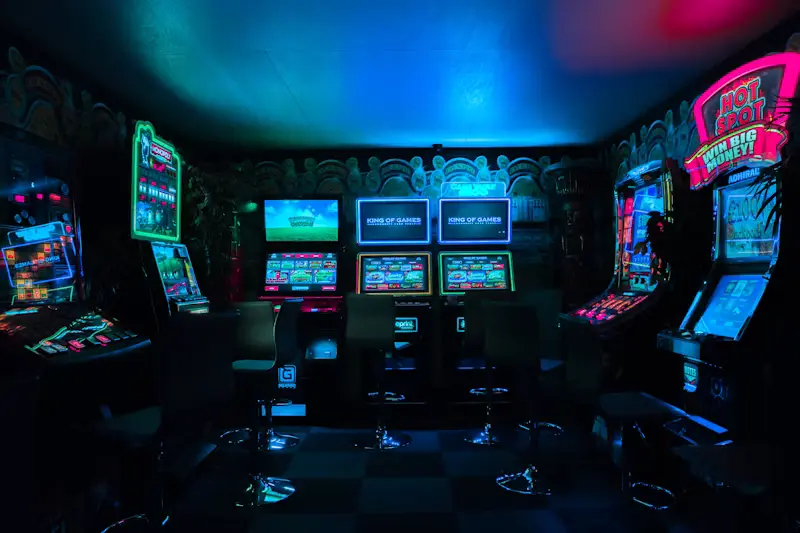
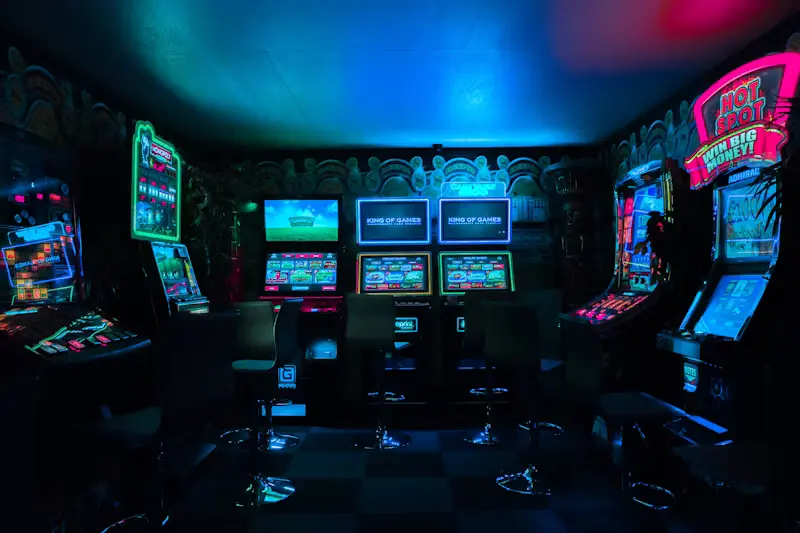
 Slot Games
 Blackjack
 Roulette
 Poker
Poker
 Teen Patti
 Andar Bahar
 Dragon Tiger
 Crash Games
 Aviator Games
CASINO PROVIDERS


Advanced Casino Features
Players Features
- Secure Registration
- Digital Wallet
- Instant Deposits & Withdrawals
- Loyalty Programs
- VIP Membership
- Tournament System
- Live Chat
- Game History
- Responsible Gaming Controls
- Bonus Wallet
- Referral Program
- Multi-Currency Wallet
White Label vs Custom Casino Platform
| White Label | Custom Development |
|---|---|
| Faster launch | 1-2 Months |
| No Customization | Can be customized |
| Lower Initial Cost | One time development cost |
| Inbuilt Games | Unlimited Games |
| Faster ROI | Scalable |
OUR CASINO SOFTWARE DEVELOPMENT PROCESS
-
Step 1
-
Step 2
-
Step 3
-
Step 4
-
Step 5
-
Step 6
Requirement Analysis
We understand your sportsbook business model, betting requirements, target audience, and feature expectations before starting development.
Our Technologies
 CodeIgniter
 TypeScript
 Next JS
 Express JS
 MongoDB
 MySQL
MySQL
 PostgreSQL
 Tailwind CSS
 Firebase
 Flutter
CodeIgniter
TypeScript
Next JS
Express JS
MongoDB
MySQL
PostgreSQL
Tailwind CSS
Flutter
CodeIgniter
TypeScript
Next JS
Express JS
MongoDB
MySQL
PostgreSQL
Tailwind CSS
FAQs
A casino software developer designs, builds, and maintains the technology stack that powers an online casino — game engines, the platform/back office, payment integrations, RNG (random number generator) systems, and security layers. This can range from building a single slot game to delivering an entire turnkey casino platform.
Casino software development covers the full platform: user accounts, wallets, payments, admin dashboards, compliance, and the infrastructure that ties everything together. Game development is narrower — it focuses on building individual games (slots, table games, live dealer titles) that plug into that platform.
Look at their portfolio of live, operating casinos (not just demos), the licensing jurisdictions they've worked with, whether they offer source-code ownership, their post-launch support terms, and references from existing operator clients. Ask specifically what they build in-house versus what they white-label from third parties.
White-label solutions use a pre-built platform that's rebranded and configured for you — faster and cheaper to launch, but less flexible. Custom development builds the platform from scratch to your exact specifications — more expensive and time-consuming, but gives you full ownership, unique features, and no dependency on a third-party's roadmap.
A white-label casino can often launch in 4–8 weeks. A fully custom-built platform typically takes 4–9 months depending on the number of games, payment integrations, jurisdictions, and compliance requirements involved. Timelines can stretch further if you're targeting multiple regulated markets at once, since each jurisdiction may require its own testing and certification cycle before launch.
Costs vary widely: white-label setups can start in the low tens of thousands of dollars, while fully custom platforms with proprietary games, multiple payment gateways, and full licensing support can run into the hundreds of thousands. Ongoing costs also include hosting, licensing fees, RNG certification, and maintenance.
Many do, either directly or through partners. This typically includes preparing documentation for gaming licenses (e.g., Curaçao, Malta, UKGC), RNG and RTP certification through approved testing labs, KYC/AML integration, and responsible-gambling tools required by regulators. Since licensing requirements differ significantly by jurisdiction, it's worth confirming upfront which specific markets the developer has prior experience getting approved in.
Common stacks include HTML5/JavaScript frameworks (for cross-device game clients), backend languages like Node.js, .NET, or Java for the platform, and cloud infrastructure (AWS/Azure/GCP) for scalability. HTML5 has largely replaced Flash so games run on both desktop and mobile browsers without plugins. The exact stack a developer chooses often depends on the scale of the platform, since high-traffic operators typically need more robust load balancing and database architecture than a smaller single-market casino.
Some studios specialize in one or the other — slot mechanics, math models, and animation differ significantly from live-dealer setups, which involve real-time video streaming, studio hardware, and dealer management systems. A full-service developer may offer both directly or integrate third-party live studios via API.
Yes, though it depends on the contract. Turnkey/white-label providers usually retain source code and charge ongoing licensing or revenue-share fees. Custom development agreements can be structured so you own the source code outright, which matters if you want full control or plan to resell/scale the platform later.
 Düsseldorf (Germany)